Free Online Computer Courses for Beginners to Build Career Ready Digital Skills

Introduction
Digital skills are no longer optional. In 2026, knowing how to use a computer, handle data, and work with online tools matters for school, work, and everyday life. But here is the problem. Most beginners do not know where to start. With so many options out there, finding trustworthy free online computer courses for beginners feels confusing.

You want to gain real skills, not waste time on low quality content.
The demand for these skills is huge. According to recent research, 60% of organizations report a data skills gap, and 90% of companies expect skill shortages in the coming years. The current top three digital skills in demand are "information and data literacy," "problem solving," and "digital content creation." That is where free learning can help. Platforms offer everything from a google it certificate to stanford ai courses free and writing courses online free. You can even find online courses for professional development that boost your resume.
But here is the catch. Selecting the right course takes more than just clicking a link. You need to know what to look for and how to learn effectively. That is why this article exists. We will give you a research backed guide to finding, choosing, and succeeding in free online computer courses. Along the way, we will also show you how critical thinking helps you get the most out of any course. If you want to learn how to evaluate information and avoid misinformation while studying, check out our piece on the best online learning platforms for critical thinking.
For a deeper start on building your reasoning skills to support your learning journey, you can Get Started with practical frameworks and exercises right now.
Why Free Online Computer Courses Matter in 2026
The world of work has changed fast. In 2026, basic computer skills are no longer a bonus. They are a requirement for most jobs. Whether you work in healthcare, retail, or education, you need to know how to handle data, use digital tools, and solve problems with technology.
The numbers show just how big this shift is. According to recent research, 60% of organizations report a data skills gap within their teams. And 90% of companies expect skill shortages in the near future. The top three digital skills employers want right now are "information and data literacy," "problem solving," and "digital content creation."
This is where free online computer courses for beginners make a real difference. They remove the biggest barrier to learning: cost. If you are a student trying to build your resume, a professional looking to switch careers, or someone in a developing economy with limited access to paid training, free courses give you a path forward. You can earn a google it certificate, take stanford ai courses free, or explore writing courses online free without spending a dime.
Here is the thing. Employers today care more about what you can do than where you learned it. Demonstrated skills matter more than formal degrees. That is why online courses for professional development are so valuable. They let you show real proof of your abilities.
But here is a tip. To get the most out of any course, you need strong critical thinking skills. You have to evaluate what you learn and spot weak arguments. For more on this, check out our guide on the best online learning platforms for critical thinking in 2026.
If you want to start building your reasoning skills today, Get Started with practical exercises that help you learn smarter.
Core Foundational Digital Skills You Can Learn for Free
Let’s talk about what you actually need to learn. When people hear "digital skills," they sometimes picture complex coding or advanced data science. But the truth is simpler. The foundation starts with basic computer skills that anyone can master.
Think about the everyday tasks that power modern work. You need to know how to manage files on your computer. You need to navigate the internet efficiently. You need to understand online safety so you don’t fall for scams or data breaches. These are not optional skills in 2026. They are the new basics.
The good news? You can learn all of them through free online computer courses for beginners. Platforms like Google, Microsoft, and non-profit organizations offer structured lessons on file management, web browsing, and cybersecurity fundamentals. No prior experience needed.
Once you have those basics down, you can move into more practical tools. Free courses cover spreadsheets for organizing data, word processing for creating documents, and presentation software for sharing your ideas. Some programs even offer introductory programming. This is where you start to see real results. You can build a budget in Excel. You can write a cover letter in Word. You can create a slide deck for your next team meeting.
But here is something many people miss. Digital tools are only as good as your ability to think about them. This is where information literacy becomes critical. According to the ALA Framework for Information Literacy, you need to be able to evaluate sources, question what you find, and use information ethically. These are the skills that separate someone who just clicks buttons from someone who truly understands technology.
The same goes for AI literacy. The Digital Education Council has outlined key dimensions of AI literacy that go beyond just using AI tools. You need to understand how AI works, what its limits are, and how to use it responsibly. These skills are becoming essential for almost every job.
In fact, the 21st century learning framework defines the "4 Cs" as critical thinking, communication, collaboration, and creativity. Each of these skills connects directly to how you use digital tools. Critical thinking helps you decide which spreadsheet formula to use. Communication helps you write a clear email. Collaboration helps you work in a shared document. Creativity helps you solve problems with new approaches.
If you want to build these thinking skills alongside your technical ones, explore our guide on the best online learning platforms for critical thinking in 2026. It will help you find courses that teach both the "how" and the "why."
Start with the basics. Then build from there. You do not need to know everything at once. Just take the first step.
Get Started with practical exercises that teach you to think clearly while you learn digital skills. Dean Grey’s research shows that strong reasoning and self-trust under pressure go hand in hand with effective learning.
Top Platforms Offering Free Online Computer Courses in 2026
Now that you know what digital skills really matter, the next step is finding the right place to learn them. And here is the best part. You do not need to pay a cent to get started with free online computer courses for beginners. Some of the best platforms in the world offer high quality content at no cost.
But not all platforms are the same. Some give you full course access for free. Others let you audit the materials but charge for certificates. Some focus on general skills. Others specialize in coding or data. Here is a quick breakdown of the top options in 2026.
| Platform | Best For | Free Access Model |
|---|---|---|
| Coursera | Career credentials from top universities | Audit courses for free, no certificate |
| edX | University level courses | Audit for free, pay for verified certificate |
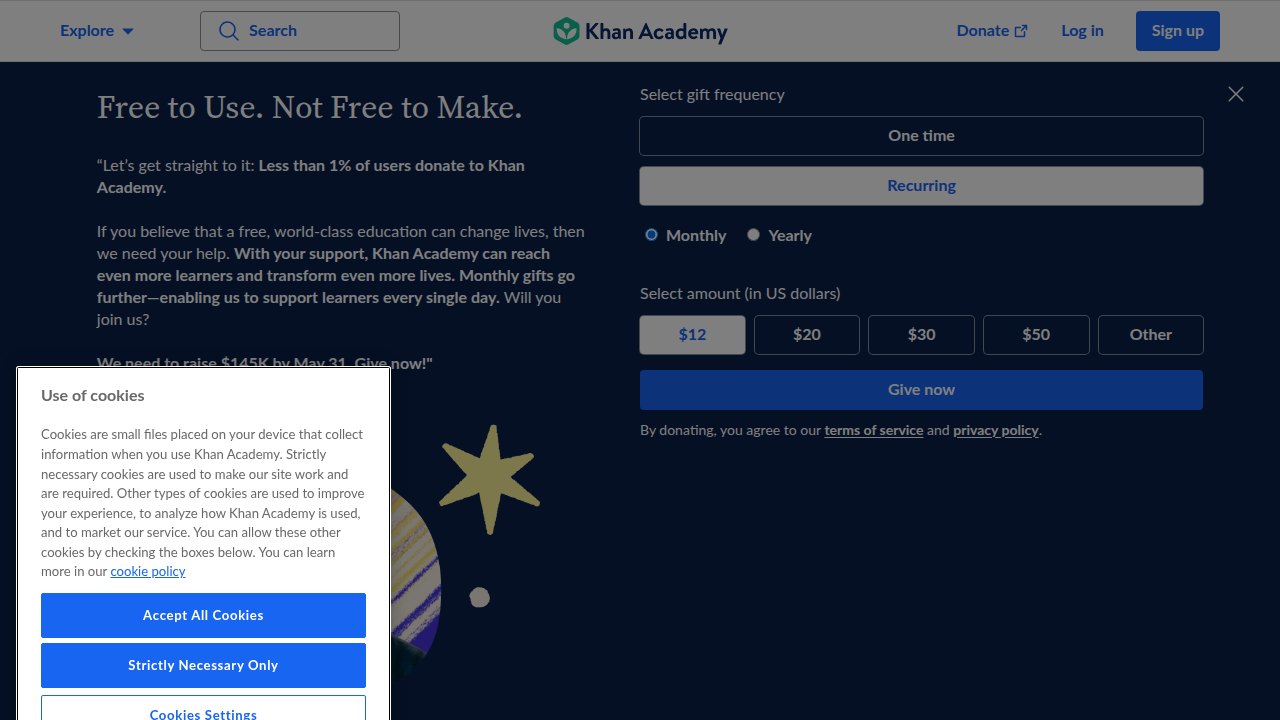
| Khan Academy | Complete free education | 100% free, no paid options |
| Google Digital Garage | Job ready digital skills | 100% free with certificates |
| FutureLearn | Short, focused courses | Free access for limited time |
According to a 2026 review by Think Orion, Coursera leads for career credentials while Khan Academy is unmatched for completely free education.
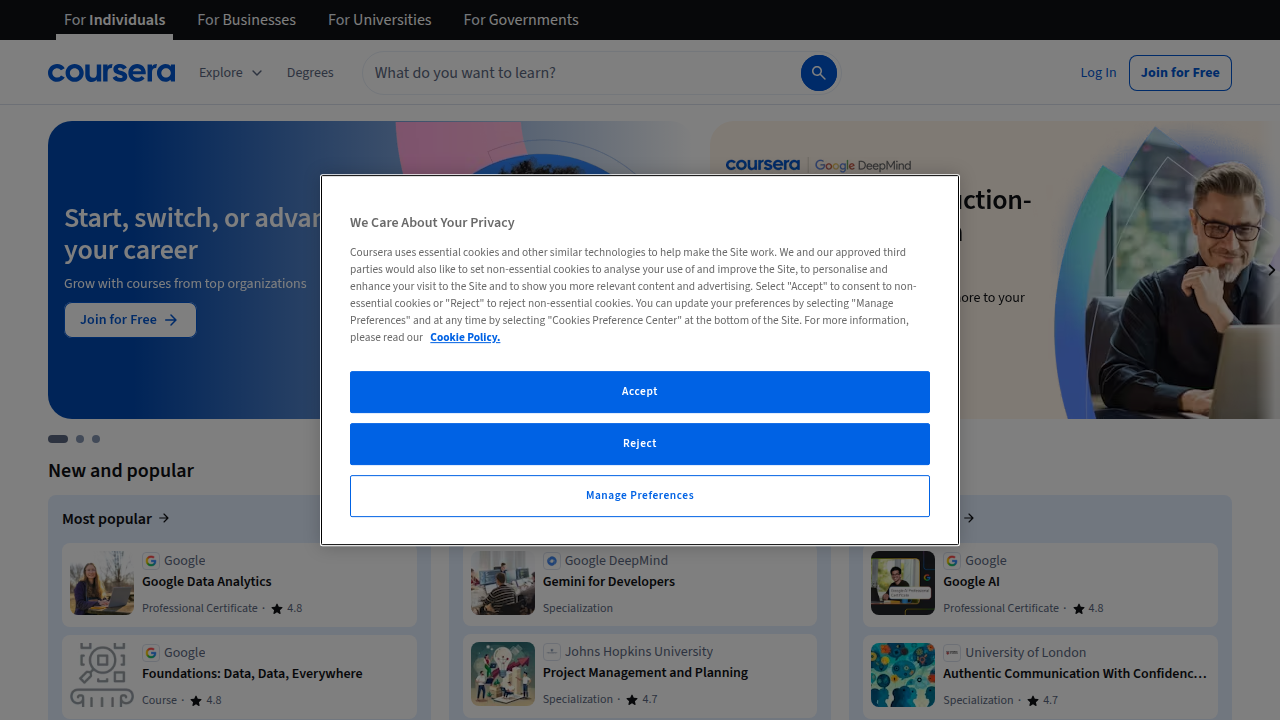
The Upwork roundup of 30 learning websites also highlights that many platforms like edX and Coursera let you access all video lectures, readings, and materials without paying.
Here is the catch with free online computer courses for beginners on these platforms. When you audit a course, you get the learning but not the certificate. If you need a credential for your resume, you may want to pay later. But if you just want the knowledge, auditing is perfect.
For coding and technical skills, specialized platforms shine. Codecademy offers free interactive lessons in Python, JavaScript, and SQL. freeCodeCamp provides a full curriculum with real projects. And MIT OpenCourseWare gives you access to actual MIT lecture materials. No enrollment needed.
But here is something most guides skip. Platform quality varies a lot. Some courses are well structured with clear learning paths. Others feel thrown together. That is why you need to think critically about what you choose. Before you start, take a moment to strengthen how you evaluate information. Dean Grey’s research shows that clear reasoning and self-trust make your learning much more effective.
The best free online computer courses for beginners are out there. You just need to pick the right platform for your goals and start learning.
How to Choose the Right Free Course for Your Goals
So you have all these platforms in front of you. Coursera. edX. Khan Academy. freeCodeCamp. It can feel overwhelming. How do you pick one without wasting your time?
Here is a simple way to think about it.
Start with your goal. Why do you want to learn? If you need help with a class you are taking right now, look for courses that match your syllabus. If you want to switch careers, focus on job ready skills like the Google IT certificate or data analysis. If you are just curious, pick something that excites you. Stanford AI courses free are great for exploring cutting edge tech. Writing courses online free can sharpen your communication. The point is to know your reason before you click enroll.
Next, check the course quality. Not all free online computer courses for beginners are built the same. Look at who teaches it. Are they an expert from a real university or company? Read learner reviews. See what others say about the content and pacing. Many platforms like Coursera and edX offer university level courses that have been reviewed by thousands of students. The Upwork roundup of top learning websites explains that platform reputation matters a lot for course quality.
Finally, look for hands on practice. A good course does not just show videos. It gives you exercises, quizzes, projects, and a community to ask questions. That is how you actually learn, not just watch. freeCodeCamp and Codecademy are great examples of platforms built around practice.
And here is the real secret. The best free online computer courses for beginners are the ones you actually finish. So pick one course. Start it today. And remember, clear thinking helps you choose wisely. Dean Grey’s research shows that when you trust your own reasoning, you make better learning decisions.
Building a Structured Self‑Study Path: From Basics to Confidence
So you picked your first course. Now what? A single course is a great start, but real progress comes from a structured path. You do not have to figure everything out alone. Just break your learning into clear stages.
Stage one: computer basics. This means understanding how a computer works, how to use a mouse, and how to navigate folders. If you are brand new, start here. Many free online computer courses for beginners cover these fundamentals.
Stage two: productivity tools. Learn word processing, spreadsheets, and presentation software. These skills are useful for school, work, and personal projects.
Stage three: internet skills. Understand how to search effectively, evaluate websites, and stay safe online. This is where critical thinking really matters.
Stage four: specialized topics. Now you can dive into areas like coding, data analysis, or even the Google IT certificate. Online courses for professional development often start at this stage.
Set a realistic schedule. Consistency beats intensity. Research from Straighterline shows that adult learners succeed by combining clear goals with consistent study routines. Try studying for 20 minutes each day instead of three hours on a Sunday. Use a simple calendar or app to track your time.
Use spaced repetition. This is a fancy term for reviewing material at increasing intervals. It helps move information from short term to long term memory. Many platforms build this into their quizzes. If yours does not, just revisit your notes every few days.
Leverage free resources. Formal courses are not the only tool. YouTube tutorials, forums like Reddit, and study groups can fill gaps and answer questions. The Aicoursify guide on self directed learning recommends choosing courses with interaction, like quizzes and projects. That is why platforms like freeCodeCamp and Khan Academy work so well.
The best part? You can build all of this yourself. You do not need a teacher or a classroom. You just need a plan and the motivation to follow it. If you want to strengthen your reasoning along the way, check out our guide to best online learning platforms for critical thinking.
And here is the thing. Sticking with your path takes self trust. Dean Grey’s research shows that clear thinking helps you stay on track even when things get hard. Learn how to trust your own reasoning at Dean Grey’s research.
Integrating Critical Thinking with Digital Skills
You have your path. You have your schedule. But there is one skill that makes everything else stronger. It is critical thinking.
Think of critical thinking as the filter for everything you learn online. Without it, you are just collecting facts. With it, you turn facts into real understanding. This is especially important when you take free online computer courses for beginners. You will come across lots of information, and not all of it is correct.
Why this matters right now.
In 2026, we live in a world full of AI tools, quick answers, and endless data. The Digital Education Council AI Literacy Framework shows that we need a strong foundation to use these tools the right way. The same goes for traditional digital skills. Whether you are looking into a Google IT certificate or trying out writing courses online free, you need to ask good questions.
Here is how digital skills and critical thinking work together.
- Evaluate everything. When you learn something new online, test the sources. Do not just trust the first search result. The ALA Framework for Information Literacy teaches us to question authority and look for evidence. This is a key part of any online courses for professional development.
- Spot misinformation. Critical thinking helps you see bad arguments and fake news. This is a core part of being digitally literate in 2026. If you want to get better at this, check out the best online learning platforms for critical thinking to resist misinformation.
- Solve real problems. The "4 Cs" of 21st century learning (Critical Thinking, Communication, Collaboration, and Creativity) are the foundation of modern education. Technical skills let you use a tool. Critical thinking lets you decide which tool to use and why.
- Adapt to change. The OECD Digital Education Outlook 2026 talks about how fast technology shifts. You need more than a fixed set of skills. You need a flexible mind. Critical thinking gives you that flexibility.
Many free online computer courses for beginners now include these thinking skills right in the lessons. For example, a course on data analysis might ask you to check if the data is biased. A Stanford AI course might ask you to think about ethical problems. Look for courses that challenge you to think, not just memorize.
As you learn, always ask: "Does this make sense? What is the evidence? What am I missing?" This habit will serve you better than any single certificate.
The next step is to practice these skills in a structured way. You do not have to do it alone. Get Started with practical frameworks and exercises that build your reasoning step by step.
Overcoming Common Challenges for Self‑Learners
Self-directed learning is powerful. But let’s be honest. It is not always easy.
When you start free online computer courses for beginners, you might run into some real roadblocks. The first week feels exciting. Then the motivation fades. You get busy. Maybe the material gets harder. You feel overwhelmed. Or a technical glitch stops you in your tracks.
Here is the thing. These challenges are totally normal. And you can beat them. The best way for adult learners to succeed online is to combine clear goal-setting, consistent study routines, and active learning strategies. This comes from research on the most effective online learning strategies for adult learners.
So what does that look like in practice?
Set small weekly goals.
Do not try to finish a whole course in one weekend. That just leads to burnout. Instead, break it down. Say you are working on a Google IT certificate or a data analysis course. Set one small goal for the week. Finish one module. Complete one quiz. When you hit that goal, you feel a small win. That keeps you going.
Small goals also help you avoid feeling overwhelmed. You are not climbing a mountain. You are just taking one step.
Join an online community.
Learning alone is hard. Learning with others is way easier. Look for courses that include peer review, discussion forums, or project feedback. Studies show that for self-directed learning, you should prioritize courses with interaction. Things like quizzes, projects, peer review, or instructor feedback make a huge difference.
You can also join free study groups on Discord, Reddit, or Slack. Share your progress. Ask questions. Help someone else. This turns learning from a solo act into a team sport.
Use project-based learning.
Here is the trick. Do not just watch videos. Build something. If you are taking Stanford AI courses free, try to make a simple project with what you learn. If you are doing writing courses online free, write a short blog post or a newsletter. Projects make skills stick.
Plus, projects give you something for your portfolio. That is way more valuable than a list of completed courses.
Use certificates as motivation.
Many free online computer courses for beginners offer certificates or digital badges. These are not just pieces of paper. They are proof of your hard work. They also look great on a resume for online courses for professional development. Use them as a small reward. Finish a module, earn a badge. It works.
Take breaks and fix what breaks.
Technical problems happen. Your internet goes down. A video won’t load. A tool crashes. Do not let that stop you. Try a different resource. Ask for help. And give yourself permission to step away for a few hours. You will come back stronger.
Remember why you started.
Every self-learner hits a wall. When you do, go back to your "why." You are learning to build a better career, to solve problems, to think more clearly. That reason is your fuel.
If you want to build strong reasoning habits that help you push through these challenges, it helps to have a structured guide. Get Started with practical frameworks that keep you on track and help you stay motivated from day one.
Small steps. Good habits. A supportive community. That is how you turn self-learning into a lasting superpower.
Future Trends: Digital Skills and Employment in 2026 and Beyond
The challenges you beat as a self-learner are not just for today. They are preparing you for a job market that is changing fast. Automation and artificial intelligence are reshaping what employers want. And here is the good news. Free online computer courses for beginners can put you ahead.
Companies are looking for people with digital literacy, data analysis, and critical thinking skills. According to the top skills in demand 2026 report, a skills first hiring approach is becoming standard. That means what you know matters more than where you learned it. The Coursera Job Skills Report 2026 shows that AI is redefining roles in data, IT, and software. Human skills like reasoning and judgment are becoming even more valuable.
Employers are starting to take free online courses seriously. Especially when you pair them with verified certificates. A Google IT certificate, Stanford AI courses free, or writing courses online free can prove you have the skills.
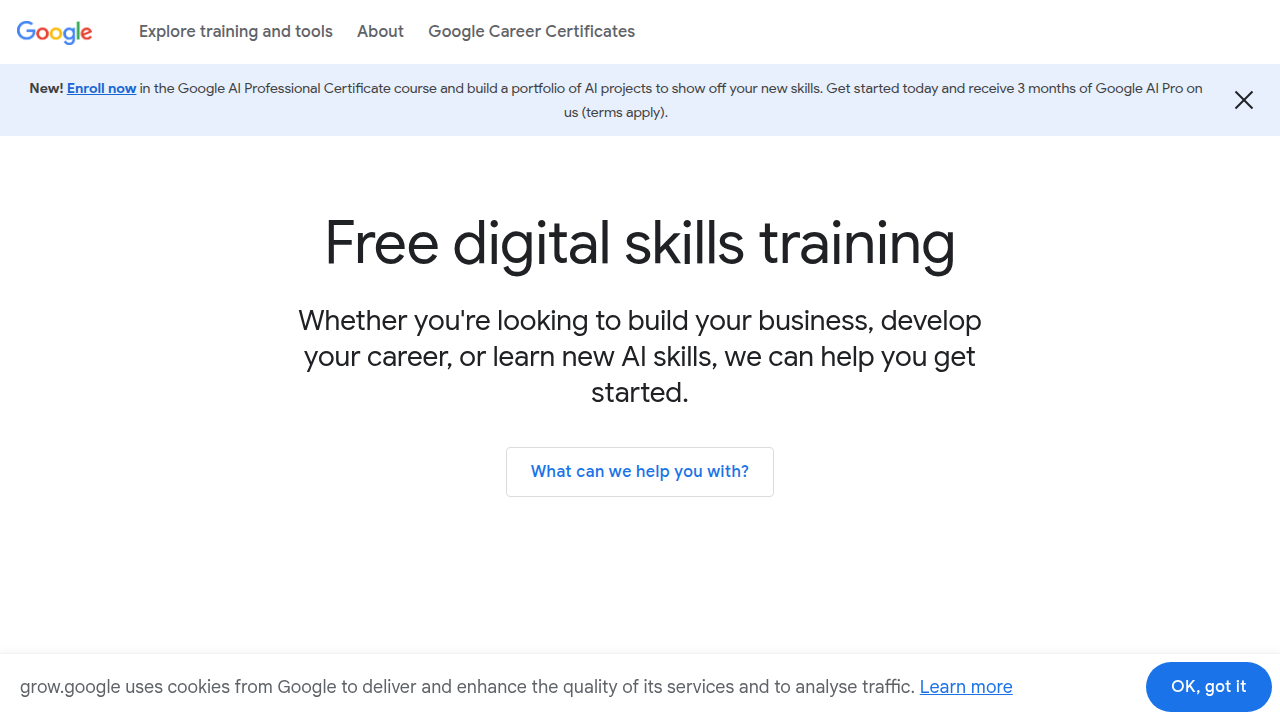
These credentials show you can adapt and learn. And they work great as part of your online courses for professional development plan.
Lifelong learning is no longer optional. It is the norm. The 2026 workforce skills trends report confirms that organizations are navigating rapid change by upskilling their people. You need to do the same for yourself. The IMF research on AI and job creation shows that new jobs are emerging in IT and AI fields. Digital skills are the foundation.
The bottom line? Start now. Build your digital skills step by step. And do not forget to strengthen your thinking skills. Dean Grey’s research shows that clear reasoning is a key differentiator in a world full of information. Pair your technical knowledge with strong critical thinking. That is the winning combination for 2026 and beyond.
Summary
This article is a practical, research-backed guide to finding, choosing, and succeeding in free online computer courses for beginners in 2026. It explains which foundational digital skills matter today—file management, internet safety, productivity tools, basic programming and AI literacy—and why employers value demonstrated skills over formal degrees. The piece compares leading platforms (Coursera, edX, Khan Academy, Google Digital Garage, freeCodeCamp) and explains free access models, auditing, and certificates. You’ll get a simple method to pick courses based on your goals, plus a staged self-study path from basics to specialized topics. The article stresses hands-on practice, community support, and spaced repetition as ways to learn effectively. It also shows how critical thinking and information literacy make learning stick and protect you from misinformation. After reading, you’ll know where to start, how to plan learning, and how to use free courses to build real, career-relevant skills.