Choose an Online University for Working Adults That Delivers Results

If you’re a working adult thinking about going back to school, you already know the struggle. Time is tight. Money is limited. And you need skills you can use right away, not years from now. That’s why more adults than ever are turning to an online university for working adults. In fact, online learning has grown so fast that by 2022, over 10 million college students were taking at least one class online, according to research from BestColleges. But here’s the thing: not all online programs are created equal. Some are excellent. Others waste your time and money.
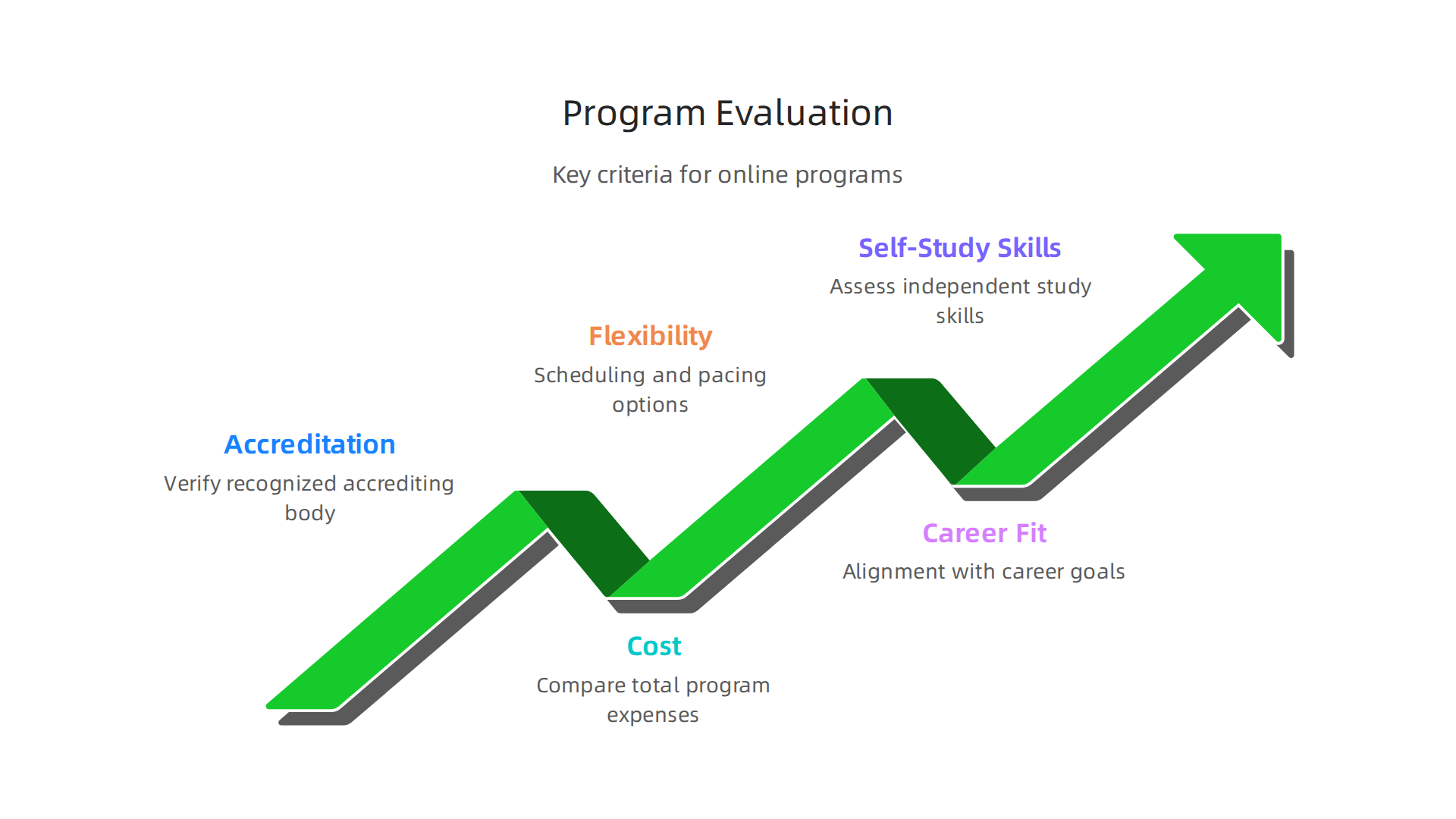
That’s why you need something more than just a list of schools. You need a way to think clearly about your choices. Choosing the right program takes critical thinking. You have to look at accreditation, cost, flexibility, and how well the coursework fits your career goals. You also need to develop self-directed learning skills so you can actually finish what you start. Many students who pick the wrong program drop out because they feel alone or overwhelmed.
This article will give you a simple framework to evaluate online programs, build the study habits you need, and get the best return on your investment.
We’ll cover everything from online doctoral programs to online CE courses, so you can find the right fit. Along the way, we’ll also explore how critical thinking helps you make smarter decisions. If you want to dive deeper into building those skills, check out our guide on the best online learning platforms for critical thinking in 2026 to strengthen your reasoning before you enroll.
Get Started — Start learning practical frameworks, examples, and exercises to improve your reasoning and decision-making as you navigate your educational journey.
Why Online University for Working Adults Is a Game-Changer
You already know online learning is growing fast. But why is choosing an online university for working adults such a big deal? Because these programs are built around your schedule, not the other way around.
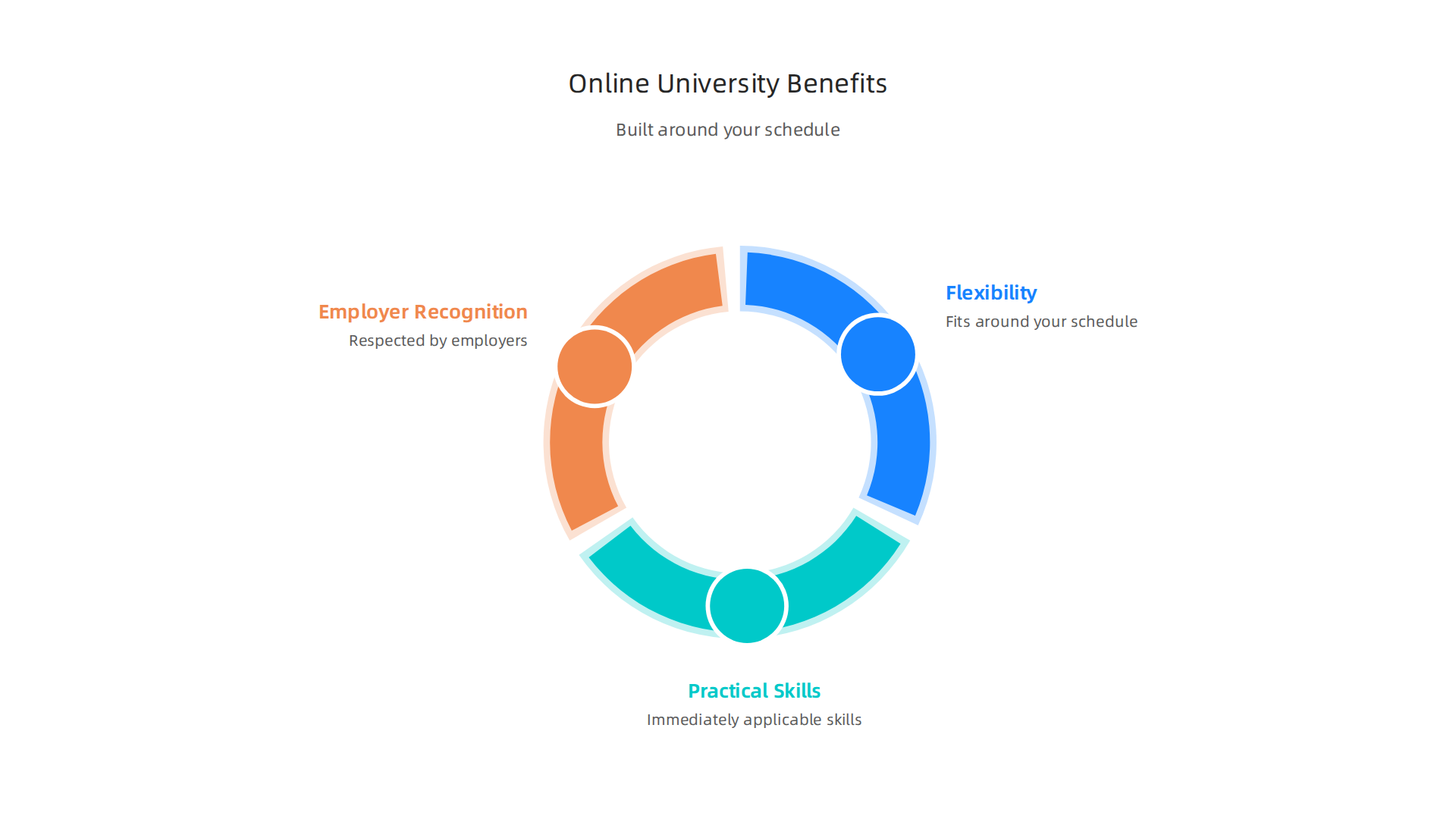
They understand you have a job, a family, and a life that can’t pause.
Flexibility That Fits Your Life
The biggest advantage is flexibility. Most programs use asynchronous learning. That means you watch lectures, do assignments, and join discussions whenever it works for you. No commuting. No fixed class times. Research from California Miramar University shows online learners save 40 to 60 percent of study time compared to traditional classrooms. Plus, retention rates for online students can reach 60 percent, while only 8 to 10 percent stick with face-to-face classes. That’s a huge difference.
Learn Skills You Can Use Tomorrow
Many online programs focus on practical skills you can apply at work right away. Whether you’re looking at online JD programs or online CE courses, the content often ties directly to your job. You don’t have to wait years to see results. For example, you might take an online course this week and improve a process at work next week. If you want to build career-ready digital skills, check out these free online computer courses for beginners that work well alongside your degree.
Employers Take Online Degrees Seriously
Here’s the thing: employers respect the discipline it takes to finish an online degree. They know you managed your time, stayed motivated, and learned independently. Those are valuable traits in any job. In fact, by 2022, over 10 million college students were taking at least one class online, according to BestColleges. Online education is mainstream now. So when you earn a degree from a solid online university for working adults, it carries real weight on your resume.
Strengthening your critical thinking is key when evaluating program options. Explore Dean Grey’s research on how authority shapes reasoning so you can make smarter education choices.
The Critical Thinking Gap: How Online Programs Address It
Here’s a challenge many working adults face. You are flooded with information every day. Emails, reports, meetings, news, social media. It is easy to feel overwhelmed. And when you are overloaded like that, your decisions can get biased. Maybe you rely too much on gut feelings. Maybe you trust the wrong source. That is the critical thinking gap.
Good online programs for working adults are built to close that gap. They do not just teach you facts. They teach you how to think about your own thinking. That is called metacognition. A study published in 2024 found that metacognitive strategies can actually boost critical thinking skills, especially when learners use digital tools to practice them (source: JOTSE article). Another study from 2025 shows that a metacognitive intervention helped students develop both critical thinking and metacognition at the same time (Improve with Metacognition). These are not just academic ideas. They are practical methods woven into quality online courses.
How does this help you at work? Let’s say you enroll in an online doctoral program or a professional development course. You may be asked to reflect on your own assumptions. To argue both sides of a case. To break a problem into pieces and examine each piece. That is exactly the kind of analytical rigor you need when making big decisions on the job.
And here is the best part: these skills transfer. Research from 2026 describes an adaptive e-learning environment that personalizes metacognitive training for each learner (Frontiers in Education). That means your online program can tailor critical thinking exercises to your specific weak spots. You learn to spot bias, manage information overload, and think more clearly in real situations.
If you want to dig deeper into sharpening your reasoning, check out our guide to the best online learning platforms for critical thinking. And if you are ready to start building these skills today, Get Started with practical frameworks that improve your decision-making right away.
Accreditation and Quality Assurance: What to Look For
So you are thinking about enrolling in an online university for working adults. That is great. But here is the real question. How do you know if the program is actually worth your time and money?
Not every online school delivers the same value. Some are top notch. Others are basically diploma mills. The key is to look for accreditation. Accreditation is a quality check.
It means an outside group has reviewed the school and found that it meets certain standards. According to the U.S. Department of Education, accreditation is a peer review process that helps ensure educational quality (ed.gov). Without it, your credits may not transfer, and employers may not respect your degree.
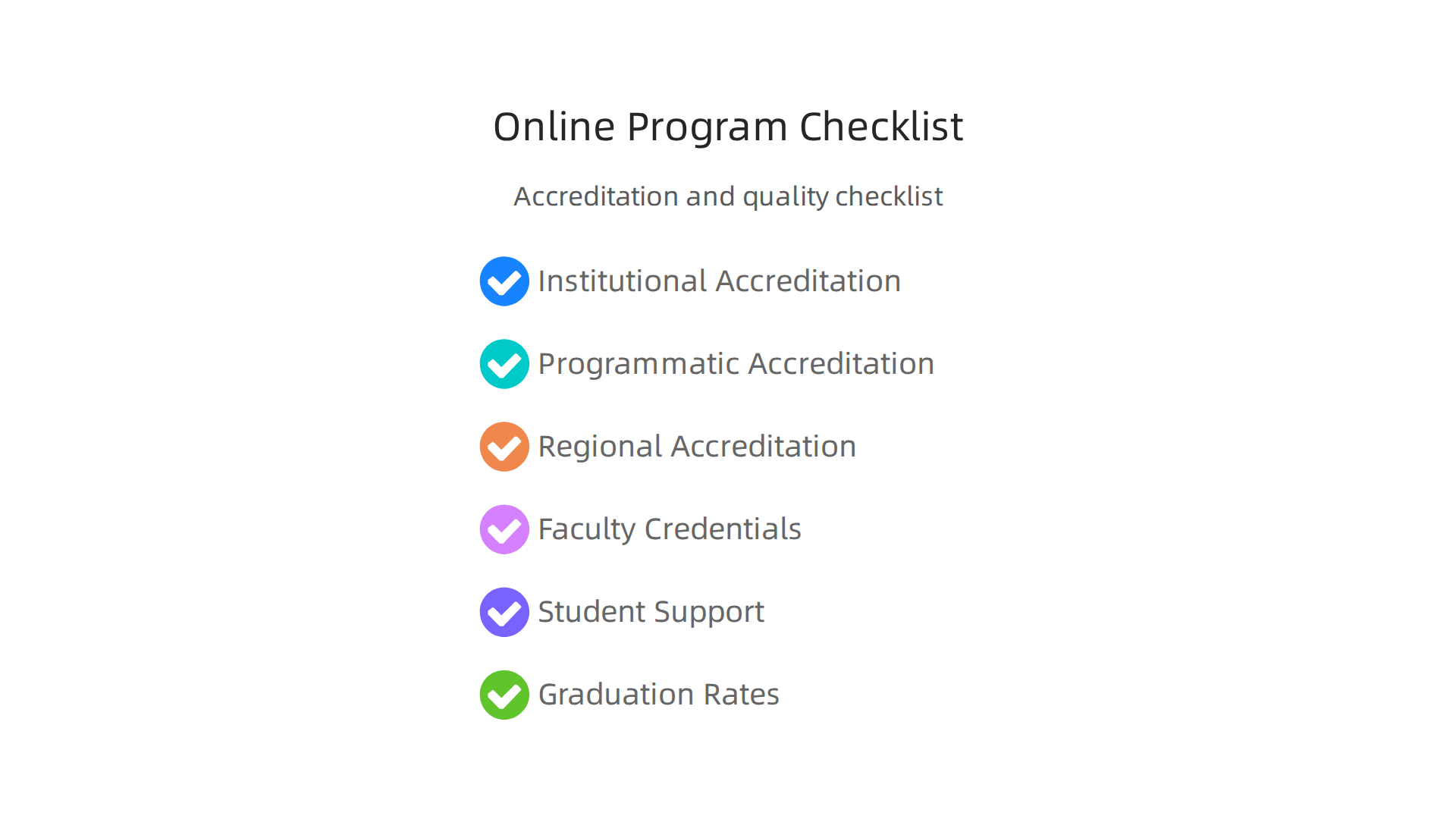
There are two main types. Institutional accreditation covers the whole school. Programmatic accreditation covers specific programs like nursing, law, or engineering. For online doctoral programs or online JD programs, you want both. The school should be regionally accredited, not just nationally accredited. Regional accreditation is more widely recognized and is the gold standard in the U.S.
But accreditation is not the only thing to check. You also want to look at faculty credentials. Are the instructors experts in their field? Do they have real world experience? What about student support services? Good online courses for professional development offer tutoring, career counseling, and tech support. And graduation rates matter too. A low graduation rate can signal that students are not getting the help they need.
In fact, a 2026 study on distance education quality points out that reputation and quality indicators are just as important for online programs as for traditional ones (OJDLA). So do your homework before you enroll.
If you want to dig deeper into what makes a top tier online program, check out our guide to the best online learning platforms for critical thinking. And when you are ready to sharpen the skills you’ll need to evaluate any program, Get Started with practical frameworks that help you make smarter decisions.
Time Management Strategies for Online Learners
Once you have found a quality online university for working adults, the next big challenge is balancing your coursework with everything else. Work, family, and personal time can feel like they are pulling you in every direction. The good news is that you can succeed by using a few simple time management strategies.
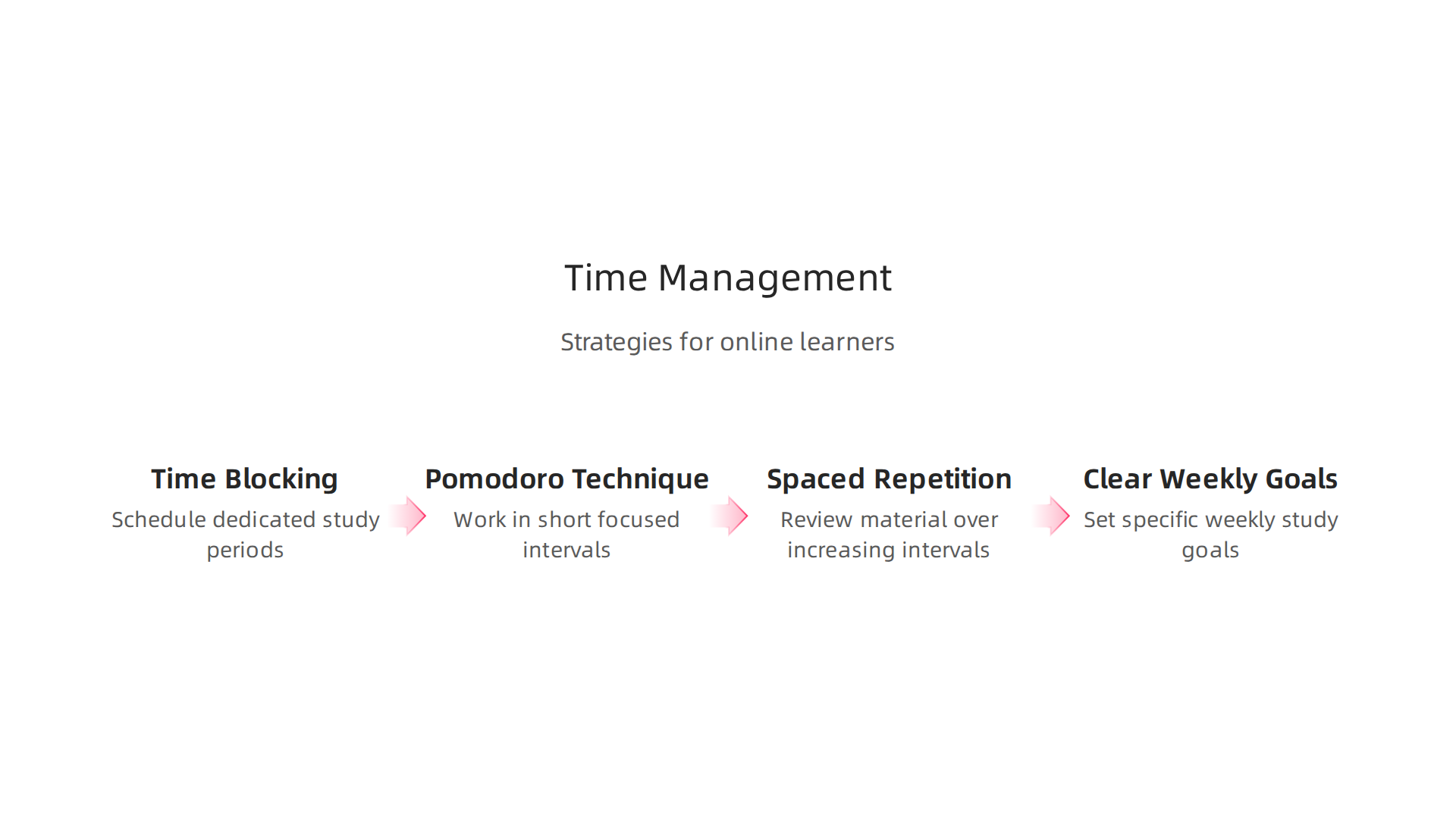
Start with a structured weekly schedule. Many successful online learners use time blocking. This means you set aside specific blocks of time for studying, just like you would for a meeting or an appointment. According to the University of Florida Online, time blocking helps you stay focused and avoid last minute cramming
(ufonline.ufl.edu). You can decide that every Tuesday night from 7 to 9 pm is your study time for online CE courses or reading assignments. This makes it a habit.
Another powerful method is the Pomodoro Technique. It is simple. You work for 25 minutes, then take a 5 minute break. After four cycles, you take a longer break. This approach keeps your brain fresh and helps you retain information longer. It works especially well for online JD programs or online doctoral programs where you need to process a lot of complex material. Pair it with spaced repetition, which means reviewing material at increasing intervals over time. A guide from Harvard Summer School explains that these techniques help you remember what you learn and reduce study stress (summer.harvard.edu).
Setting clear weekly goals also makes a big difference. Instead of saying "I will study this week," write down specific goals like "complete Module 3 quiz" or "draft the first page of my essay." Research from the University of Maryland Global Campus shows that aligning your time with your priorities improves your completion rate (umgc.edu). Use digital tools like Google Calendar, Trello, or a simple notebook to track your tasks. These tools help you see your progress and stay motivated.
Finally, remember that time management is a skill you can build. Start small, try one strategy, and see what works for you. And if you want to sharpen your thinking while you learn, check out our guide to the best online learning platforms for critical thinking. It pairs perfectly with any online courses for professional development. When you are ready to take the next step in your learning journey, Get Started with practical frameworks that help you make smarter decisions every day.
Financial Planning: Cost, Aid, and Employer Tuition Benefits
Now that you have a plan for managing your time, let’s talk about money. Figuring out how to pay for an online university for working adults can feel overwhelming at first. But the truth is, the cost varies a lot from school to school. And there are real ways to make it affordable.
First, understand the full picture. Tuition is just one piece. You also need to think about fees, textbooks, and online materials. For example, Liberty University estimates that online graduate students spend around $636 per year on textbooks and online content (liberty.edu). Some programs charge extra technology or health insurance fees. And do not forget the money you might lose by reducing work hours to study. Getting a clear picture of the total cost helps you avoid surprises later.
So how much can tuition cost? It really depends on the school and your residency. The University of Florida offers a great deal for in-state students. They charge just $129 per credit hour for online tuition (bestcolleges.com). That is much lower than many on-campus programs. On the other hand, some private or out-of-state programs can cost over $1,000 per credit. Southern New Hampshire University, a popular choice for working adults, charges $659 per credit for graduate degrees
(snhu.edu). The range is huge, so shopping around matters.
Now, the good news. You do not have to pay full price. Federal financial aid is available for most accredited online programs. You can fill out the FAFSA to see what grants and loans you qualify for. Many schools also offer scholarships specifically for online students. And here is a big one: employer tuition reimbursement. Many companies will pay for part or all of your tuition if the degree relates to your job. Check with your HR department. This benefit can dramatically lower your out-of-pocket costs.
Finally, think about return on investment. Compare the total cost of your online JD program or online doctoral program to the expected increase in your salary after graduation. If the degree helps you get a promotion or switch to a higher paying field, it is usually worth it. Even affordable online CE courses can boost your earning potential. For many working adults, the long term gains far outweigh the short term costs.
If you want to sharpen your thinking before making a big decision like this, check out our guide to free online computer courses for beginners. It can help you build skills without spending much money. When you are ready to move forward, Get Started with practical frameworks that help you make smarter choices about your education and career.
Building a Support Network: Mentors, Peers, and Advisors
One big challenge of studying through an online university for working adults is feeling alone. You might sit at your desk after work, staring at a screen, with no one to talk ideas through. That isolation can drain your motivation fast. But you do not have to face it alone.
The fix is simple: build a support network on purpose. Start with mentors. A good mentor could be a professor in your online doctoral programs, a manager at work, or someone in your industry who has the career you want. They give you guidance, feedback, and accountability. Just one regular check in can keep you moving forward when things get hard.
Next, find your peers. Join study groups or online discussion forums where people in your online JD program or other courses talk through assignments. Discussing ideas out loud helps you learn deeper and see things from new angles. It also makes the whole experience feel more human. Many schools have private Facebook groups or Slack channels for students. Use them.
Do not forget academic advisors. Most schools assign you one. They can help you pick courses, navigate deadlines, and connect you with tutoring or career services. Think of them as your personal guide through the online university for working adults maze.
To make time for these connections, you need solid routines. The Pomodoro Technique from the University of Florida is a great way to free up pockets in your schedule so you can actually attend that study group or mentor call (ufonline.ufl.edu).
If you want to sharpen the thinking skills that help you evaluate advice from mentors and peers, check out our free resource on the best online learning platforms for critical thinking. It can help you judge guidance wisely.
When you are ready to take the next step in building your network and your career, Get Started with frameworks that help you make smarter decisions about education and life.
Career Services and Professional Development Integration
Building your support network is one thing. But what about the help you get turning that education into a real career move? Here is where the best options for an online university for working adults really stand out.
Top programs today do not just hand you a degree and wave goodbye. They weave career services right into your experience. Think career coaching sessions, professional resume reviews, and even direct job placement assistance. These services are designed to help you translate your coursework into a stronger career, whether you are aiming for a promotion or a complete change.
Another big trend in 2026 is the rise of micro-credentials and stackable certificates. Many online courses for professional development now let you earn a short certificate in a high-demand skill, like data analysis or project management, before you finish your full degree. These stack together to build toward a larger qualification. It is a smart way to show employers you have up-to-date skills right now.
Quality matters a lot here. Accredited programs are held to strict standards, which means their career support is more likely to be effective. The value of accreditation in distance education is a key quality indicator for students (ojdla.com). Schools that meet these standards, like those recognized by the Council for Higher Education Accreditation (chea.org), often have stronger employer partnerships and alumni networks.
These connections boost your job prospects after graduation. An online university for working adults with a strong alumni network can open doors to companies that trust the school’s training. Some programs even partner directly with employers to create talent pipelines.
As you think about which program fits your career goals, make sure to dig into what career support they offer. And to sharpen the decision-making skills you will use to evaluate those offers, check out our guide on the best online learning platforms for critical thinking.
Get Started with practical frameworks that help you choose the right path and make smarter career moves.
Measuring Success: Outcomes and ROI of Online Degrees
So you have done the research and found an online university for working adults with strong career support. Good start. But how do you know if the investment will actually pay off? In 2026, smart students look at more than just the price tag. They measure success in concrete ways.
Key Metrics That Tell the Real Story
First, look at graduation rates and time-to-degree. A program where most students finish on schedule signals good support and realistic pacing. Also check post-graduation employment numbers. Does the school publish how many graduates land jobs in their field within six months? That data is worth its weight in gold.
Cost is a big piece of the ROI puzzle too. For example, the University of Florida Online charges just $129 per credit hour for in-state residents (ufonline.ufl.edu). Compare that to other options. SNHU offers graduate degrees at $659 per credit with some programs requiring only 30 credits (snhu.edu). When looking at online doctoral programs or online JD programs, those per-credit differences add up fast. The Best Affordable Online Colleges of 2026 guide can help you spot the best value schools.
Long-Term Returns Go Beyond the Paycheck
Short-term metrics matter, but real success shows up over years. Graduates from top programs often see higher lifetime earnings and faster career advancement. Yet personal fulfillment counts too. Many working adults report that completing a degree boosts confidence and opens doors they never expected.
Here is a key point many overlook. The critical thinking skills you build during the program directly affect your performance. You learn to evaluate evidence, question assumptions, and make smarter decisions on the job. These skills often matter more than the degree name itself. To sharpen that ability, explore our roundup of the best online learning platforms for critical thinking.
Use ROI Data to Choose Wisely
Whether you are exploring online CE courses or a full degree, run the numbers. Ask the school for outcomes data. Compare tuition across similar programs using official calculators like the one from the University of Tennessee (volsonline.utk.edu). That extra homework pays off.
Ready to make an informed choice? Get Started with practical frameworks that help you weigh costs, outcomes, and your personal goals.
Summary
This article helps working adults choose and succeed in online universities by offering a clear, practical framework for evaluation and action. It explains why online programs are well suited to employed learners—flexible schedules, skills you can use immediately, and employer recognition—while warning that not all programs offer equal value. You will learn what to check (accreditation, faculty credentials, student support, graduation and employment outcomes), how to manage time with tactics like time blocking and Pomodoro, and ways to plan finances including FAFSA, scholarships, and employer tuition benefits. The piece also shows how quality online programs teach metacognition and critical thinking, which improve on-the-job decision-making and long-term ROI. Finally, it covers building mentors and peer networks, integrating career services and micro-credentials, and measuring program success so you can make a confident, cost-effective choice.