Online Bachelor Degree Programs Employers Now Respect How to Choose the Right One

Introduction
Picture this: you want to earn a degree, but the nearest university is hours away. Tuition costs keep climbing, and your work schedule makes showing up for a 9 AM class impossible. Sound familiar? For millions of people, these barriers once felt like dead ends.
That has changed. Online bachelor degree programs have opened doors for students everywhere. Whether you live in a small town, work full time, or raise a family, you can now earn a respected degree from your own home.

Here is what makes online learning so powerful. Students in online programs save 40 to 60 percent of their study time compared to traditional classrooms. And get this: retention rates for online learners can reach 60 percent, while face-to-face classrooms only hold 8 to 10 percent. That is a huge difference. These numbers come from research on whether online learning is here to stay in 2026.
The online education market is booming. English-speaking countries like the United States, the United Kingdom, Canada, and Australia lead the way. In Australia alone, the industry is expected to reach 12 billion dollars by 2026. This growth means more choices for you.
But here is the thing. Not every program delivers real value. Some are scams. Others lack proper accreditation. And staying motivated without a teacher in the room takes real self-discipline. You also need to watch out for misinformation and bias. That is where critical thinking comes in.
Strong critical thinking skills help you spot bad programs, resist flashy ads, and choose a degree that actually moves your career forward. If you are thinking about an online high school diploma, online business master’s programs, or free diploma courses online with certificates, you need to evaluate each option carefully.
Before you enroll anywhere, learn how to protect yourself. Our guide on how to evaluate online colleges for business degree programs and avoid scams gives you practical steps to verify any school. And if you want to strengthen your decision-making skills for good, check out the best online learning platforms for critical thinking in 2026.
The opportunity is real. Online degrees can change your life. But the smartest path starts with clear thinking and good information.
Get Started and learn practical frameworks to apply critical thinking when choosing your online bachelor degree program.
The Rise of Online Bachelor Degree Programs: Trends and Statistics
Think back to when online degrees felt like a gamble. People wondered if employers would ever take them seriously. Those days are fading fast. The numbers tell a clear story about how online bachelor degree programs have become a powerful force in higher education.
The shift started during the pandemic, but it didn’t stop when the world reopened. Students kept signing up. And the reasons go way beyond convenience.
The big numbers that matter
Let’s look at what the data says about online learning in 2026. Research from California Miramar University shows that students in online programs save 40 to 60 percent of their study time compared to traditional classrooms. Retention rates for online learners can hit 60 percent, while face-to-face classrooms only hold 8 to 10 percent. That is a huge difference.
The market is growing fast too. In Australia alone, the online education industry is on track to reach $12 billion this year, according to the IBISWorld analysis.
And the top four markets in the world for online universities are English-speaking countries: the United States, the United Kingdom, Canada, and Australia, as shown in a Statista chart.
This growth gives you more choices than ever.
Who is choosing online bachelor degree programs?
Most of the students enrolling are adult learners and career changers. They are people with jobs, families, or both. They want the flexibility to keep working while studying. They do not want to relocate or quit their jobs. An online degree lets them earn a credential without upending their lives.
And here is the good news: many top universities now offer fully online bachelor’s degrees with the exact same curriculum as their on-campus programs. That means the diploma you earn online carries the same academic weight. It is the same course content, the same professors, the same rigor.
How employers view online degrees in 2026
Employer acceptance has changed dramatically. A 2026 survey found that 83 percent of employers now consider online degrees as credible as on-campus programs.

Another study from Newlane Education confirms that a majority of employers view them equally. These surveys show that the stigma is disappearing fast.
But not every program is built the same. Some are scams. Others lack proper accreditation. That is where critical thinking becomes your most valuable tool. You need to verify the school, check its reputation, and make sure the degree will actually open doors for you.
If you want to start evaluating programs the right way, our guide on how to evaluate online colleges for business degree programs and avoid scams gives you practical steps to protect yourself.
The bottom line
The rise of online learning is real. The statistics prove it. More students, more top universities, and more employers are on board every year. But you still need to choose wisely. The right program can change your life. The wrong one can waste your time and money.
Ready to apply critical thinking to your education choices? Get Started with practical frameworks that will help you evaluate every option with confidence.
Global Perspectives: Online Degree Adoption Across Key Markets
The trend toward online bachelor degree programs is not just a story about one country. It is a global shift. Different regions are adopting online learning at different speeds, but the direction is the same almost everywhere.
The United States leads the way
The US has the largest market for online universities in the world. According to a Statista chart, English speaking countries dominate the top spots, and America is number one. Millions of students are enrolled in fully online bachelor’s programs. The country also hosts a huge number of international students. A report from the Institute of International Education shows that international student numbers continue to grow, even though interest from some Asian markets has dipped slightly.
Canada and Australia build strong systems
Canada and Australia are right behind the US and UK. Both countries have invested heavily in quality assurance and student support for online learning. In Australia, the online education industry is projected to hit $12 billion this year, according to IBISWorld. That growth is driven by working adults who need flexible options. Canadian universities also offer well respected online degrees with strong government oversight. These frameworks help you feel confident that your credential will be recognized by employers.
The UAE makes a bold move
The United Arab Emirates is an interesting case. The government is pouring money into online education as part of its national digital transformation strategy. They know that a skilled workforce requires accessible learning. So they are building partnerships with top international universities to bring quality online programs to the region.
What this means for you
No matter where you live, you now have more choices for your online bachelor degree programs. But more choices also mean more risk. You need to verify accreditation, check employer recognition, and avoid programs that overpromise. Our guide on how to evaluate online colleges for business degree programs and avoid scams gives you a practical checklist to protect your time and money.
Ready to apply critical thinking to your global education options? Get Started with frameworks that help you weigh every factor before you commit.
How Online Learning Enhances Critical Thinking and Problem-Solving Skills
You might think an online degree is all about watching videos and taking quizzes. But here’s the truth: the best online bachelor degree programs are actually designed to make you think harder. They force you to question information, argue your point of view, and solve messy problems. And that is exactly how you build critical thinking.

Discussion forums get you arguing (in a good way)
Many online courses include discussion boards where you have to post your thoughts and respond to classmates. This is not just busywork. According to a quasi-experimental study published in 2026, interactive teaching strategies like discussions and group projects significantly boost critical thinking and creativity. When you read a peer’s post, you have to evaluate whether their reasoning holds up. Then you have to construct your own evidence-based argument. That process trains your brain to analyze, compare, and defend ideas.
Real-world projects make you solve actual problems
Good online programs do not just test your memory. They give you case studies and projects that mirror what you will face at work. A meta-analysis of problem-based learning found that this approach is more effective than traditional lectures for developing critical thinking skills. When you are asked to solve a business problem or design a marketing plan, you cannot just repeat facts. You have to gather information, weigh options, and make a decision. That is the same skill you need in any career.
Self-directed learning forces you to evaluate sources
This is a big one. In a traditional classroom, your teacher tells you what is important. Online, you often have to find your own resources. You learn to spot reliable sources and ignore junk. A 2026 review of strategies for promoting critical thinking confirms that when learners have to evaluate information themselves, their analytical skills grow stronger. This is especially important today when misinformation is everywhere. And as AI tools change how we get information, being able to think critically about AI content is becoming a must-have skill.
Research backs it up
Some people still think online learning is the easy way out. But research tells a different story. A study from Training Industry shows that online learners often outperform their face-to-face peers on critical thinking assessments. Why? Because well designed online courses force you to engage more deeply. You cannot just sit in the back of the room. You have to participate, think, and produce.
What this means for your online degree search
When you look at online bachelor degree programs, pay attention to how they teach. Do they use discussion forums? Case studies? Real-world projects? Those are signs that the program will actually sharpen your thinking. This goes for online business master’s programs and even free diploma courses online with certificates. The best programs build your brain, not just your resume.
If you want a framework to judge any program’s quality, our guide on how to choose an online university for working adults that delivers results gives you practical questions to ask before you enroll.
Ready to apply clear thinking to your education decisions? Get Started with exercises and frameworks that help you evaluate every option with confidence.
Overcoming Common Challenges in Online Degree Pursuits
Online learning comes with real benefits, but it is not trouble-free. If you are starting online bachelor degree programs or even free diploma courses online with certificates, you will hit some common roadblocks. The good news? Schools and students have found ways around them.
Information overload and misinformation
When you learn online, you get a firehose of information. Emails, discussion posts, articles, videos. It is easy to feel buried. And not everything you find is true. You have to separate good sources from bad ones. This is where critical thinking becomes your best tool. Learn to check the author, the date, and the evidence behind any claim you use.
Many online programs now include lessons on source evaluation. They teach you how to spot junk science and biased content. If your program does not offer this, you can learn it yourself. A strong habit of checking sources will protect you from wasting time on bad information. It also makes your work stronger. For more on this skill, see our guide on how to evaluate online colleges for business degree programs and avoid scams.
Isolation from other students
Studying alone at home can feel lonely. You miss the casual chats before class and the study groups in the library. But that does not mean you have to go it alone. Many schools now set up virtual study groups, Slack channels, and online mentorship programs to connect students. Some even use AI tools to pair you with classmates who share your schedule. These connections keep you motivated and help you learn together.
According to research from Qualtrics, schools that focus on student engagement and community see higher retention rates. So look for programs that offer ways to interact. A good online business master’s programs or bachelor’s program should have a plan for peer connection.
Time management and self-discipline
This is the number one reason students drop out. Without a set class time, it is easy to put things off. You might think you will watch that lecture later, but later never comes. The best way to fight this is to build a routine. Set aside the same hours each week for your studies. Treat them like meetings you cannot skip.
Institutions are stepping up too. They now offer dedicated success coaching and academic skills training. A study by EducationDynamics shows that services like tutoring, career coaching, and social-emotional support give at-risk students the tools to stay enrolled. Some schools even assign a personal coach who checks in weekly. This extra support makes a big difference, especially for working adults juggling many responsibilities.
If you are thinking about online high school or college, ask the school what help they provide. A program that offers coaching and time management workshops is a sign they want you to succeed.
Final thought
Every challenge in online learning has a solution. You just need to know what to look for and what support to ask for. With the right habits and a school that cares, you can make it through.
Ready to build the critical thinking skills that help you spot misinformation and manage your time? Get Started with exercises that prepare you for any online program.
Employer Perspectives: Do Online Degrees Hold the Same Value?
If you are wondering whether employers look down on online bachelor degree programs, you are not alone. It is one of the biggest worries for students. The good news? That concern is fading fast.
The numbers are shifting
In 2026, a full 83% of employers now consider online degrees as credible as their on campus alternatives. That comes from recent hiring data that shows a major change in how companies see remote learning. The old stigma is disappearing.
Why? Because employers have watched online education grow up. They have seen students from online business master’s programs come in with strong skills and real world knowledge. And they have learned that the delivery method matters less than the quality of the school. The key is regional accreditation. An accredited online bachelor degree from a recognized university carries the same weight as a traditional one.
Some hiring managers even prefer online learners. Why? Because finishing an online program takes serious self discipline and time management. Those are exactly the traits companies want. According to an overview of employer perception in 2026, many recruiters now view online graduates as self starters who can handle remote work and manage their own schedules.
Not all industries agree yet
The shift is not even across every field. Tech and business have led the way. Online business master’s programs, for example, are widely accepted by global companies. A 2025 GMAC survey showed that corporate recruiters around the world embrace online degrees, though the United States still lags a little behind. In healthcare and law, some employers still prefer on campus experience. But even those areas are warming up.
The trend is clear: employers are focusing more on skills and less on how you got them. Can you solve problems? Can you communicate clearly? Can you think critically? Those questions matter more than whether you sat in a lecture hall or watched a video at home.
What this means for you
If you are considering online bachelor degree programs, do not let outdated worries stop you. Focus on choosing a regionally accredited school with a strong reputation. Look for programs that include hands on projects, networking opportunities, and career support. These signals tell employers that your degree is real and rigorous.
And remember, your critical thinking skills are what will make your degree shine. Employers do not just want a piece of paper. They want someone who can analyze information, make sound decisions, and adapt to new challenges. Developing those skills is just as important as earning the credential itself.
Ready to build the critical thinking habits that employers value most? Get Started with practical exercises that sharpen your reasoning and prepare you for career success.
Choosing the Right Online Bachelor’s Program: Accreditation and Quality
Employers are warming up to online degrees. But not every online bachelor degree programs carry the same weight. The real difference comes down to accreditation and quality. Here is what you need to watch for.
Regional accreditation is the gold standard
In the United States, the most important thing you can check is regional accreditation. This is the same type of accreditation that traditional campus based universities hold. It tells employers and other schools that your degree meets high academic standards. A regionally accredited online bachelor degree is widely accepted for transfer credits and graduate school admission.
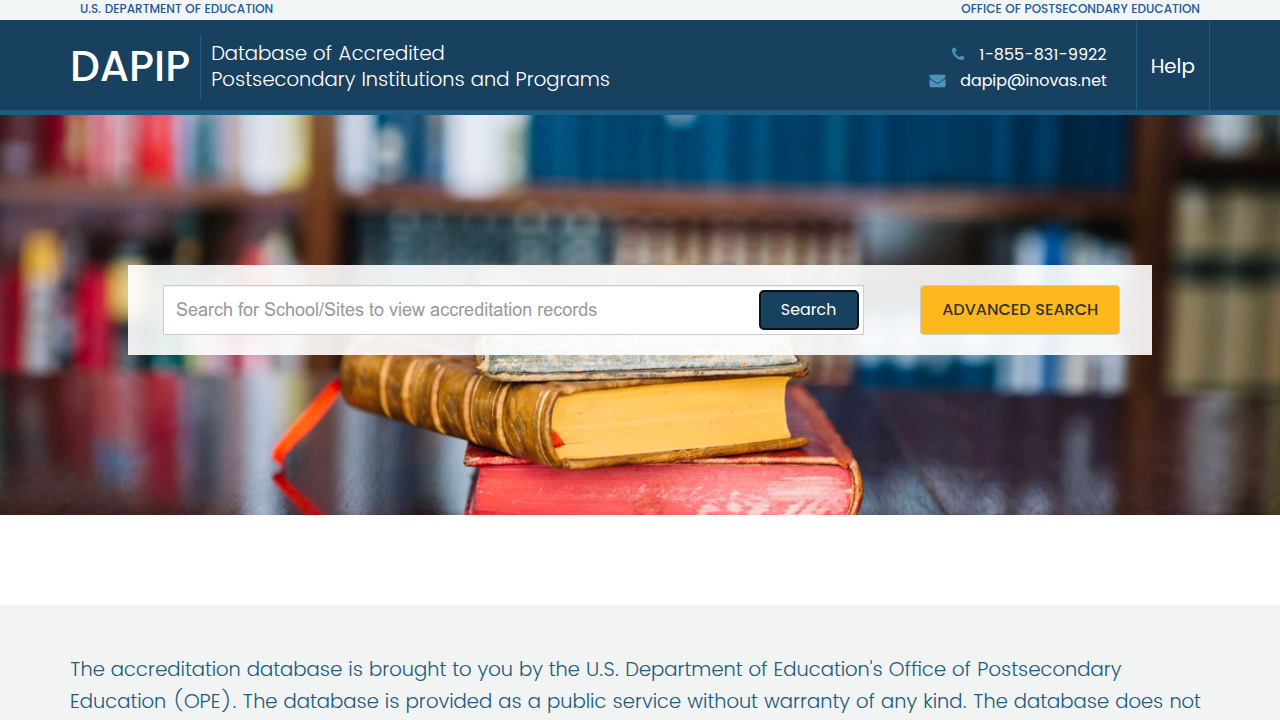
How do you verify it? Start with the U.S. Department of Education’s Database of Accredited Postsecondary Institutions and Programs.
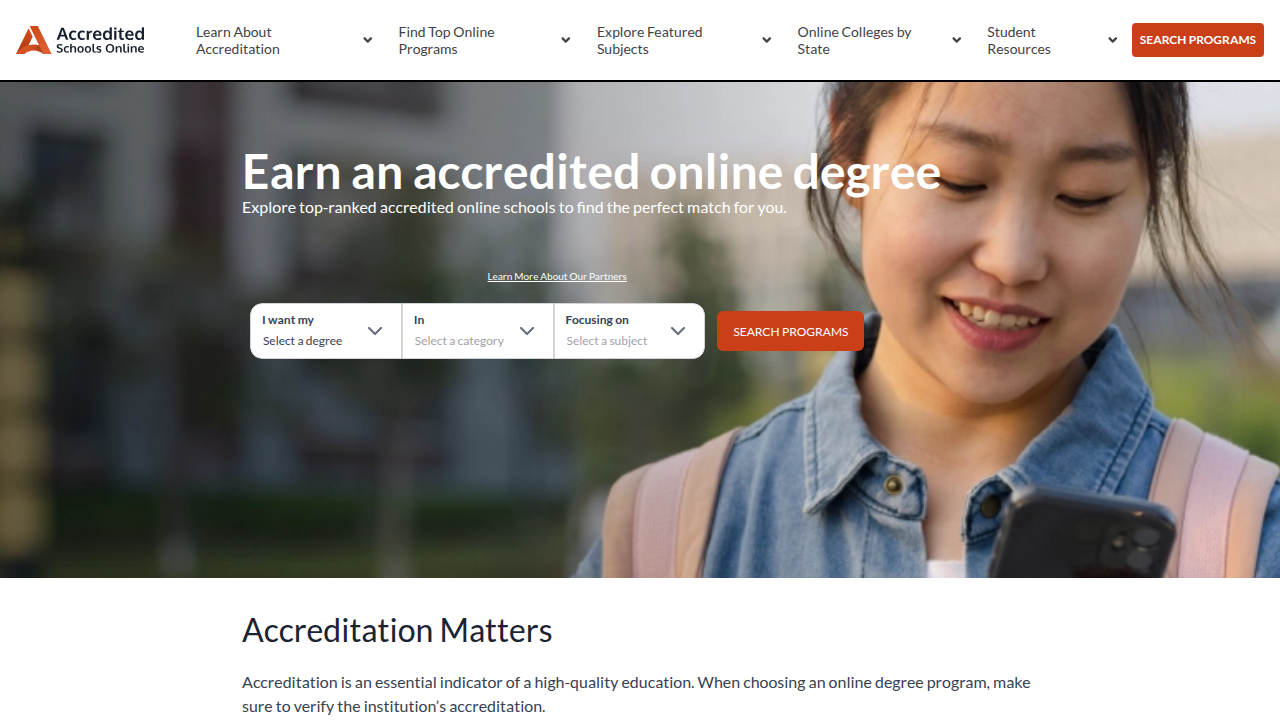
You can also use trusted directories like Accredited Schools Online to see which schools are listed.
Schools like Colorado Technical University are accredited by the Higher Learning Commission, a recognized regional body.
Be careful with national accreditation. Some schools have national accreditation, which is not the same. As this guide on regionally accredited online colleges explains, regional accreditation is the standard that employers and other institutions respect most.
Program specific accreditation adds value
Beyond the whole school, look for program specific accreditation. This matters most for professional fields.
- Business programs: The gold standard is AACSB accreditation. An online business master’s programs or bachelor’s with this mark signals top quality.
- Engineering programs: Look for ABET accreditation.
- Nursing programs: Look for CCNE or ACEN accreditation.
Program specific accreditation tells employers you have met rigorous industry standards. It can also make a difference when you apply for professional licenses later.
Beyond accreditation: what to look for
A strong online bachelor degree programs also shows quality in these areas:
- Faculty qualifications: Are instructors experienced professionals or full professors? Good programs list faculty credentials clearly.
- Student support services: Services like tutoring, career coaching, and academic skills training can make the difference between finishing and dropping out. EducationDynamics notes that support services give at risk students the tools they need to stay enrolled.
- Graduation outcomes: Look for published graduation rates, job placement rates, and starting salaries. Programs that share this data openly are usually confident in their quality.
- Retention rates: Online learning can be highly effective. Some research shows retention rates for online learners can reach up to 60%, compared to lower rates in traditional settings. Programs with high retention rates likely have good support systems in place.
If you are comparing options, one practical step is to read reviews and ask current students about their experience. You can also look at rankings from trusted sites like BestColleges.com.
What about free options?
You might also come across free diploma courses online with certificates. These can be useful for exploring a field or building a skill. But they rarely carry the same weight as a full degree from an accredited school. Use them as supplements, not replacements, for a proper program.
Putting it all together
Choosing the right program takes research. Start with regional accreditation. Then check for program specific accreditation. Finally, verify the quality of faculty, support, and outcomes. Use your critical thinking skills to compare options side by side and avoid programs that seem too good to be true.
Ready to evaluate programs more effectively? Get Started with practical exercises that sharpen your ability to judge online bachelor degree programs and make confident decisions for your future.
Strategies for Success: Balancing Work, Life, and Online Studies
You picked a great program. Now comes the real test. How do you juggle a job, family, and coursework without burning out? It takes planning, support, and smart habits.

Here are three strategies that work.
Create a structured weekly schedule
You cannot wing it with online bachelor degree programs. Set aside specific study times each week. Treat them like work meetings that cannot be moved.
Start by reviewing your syllabus. Note all due dates on a calendar. Then block out two to three hour chunks for reading, assignments, and review. According to Harvard Summer School, creating a calendar and sticking to it is one of the most effective time management tips for students.
Also leave buffer periods for unexpected tasks. Life happens. A kid gets sick. Your boss asks for overtime. If you have buffer time built in, you will not fall behind. The Northeastern University knowledge hub suggests planning ahead and avoiding multitasking. Focus on one task at a time during your study blocks.
If you are also balancing an online business master’s programs, the same logic applies. Treat your education like a priority, not something you squeeze in when you remember.
Leverage institutional resources
You are not alone in this. Good schools offer resources to help you succeed. Use them.
- Virtual tutoring: Many schools offer free online tutoring. If you struggle with a topic, get help early.
- Writing centers: Need feedback on a paper? A writing center can review your draft and suggest improvements.
- Career counseling: Even while studying, career services can help you connect your coursework to job opportunities.
These support services are designed for students like you. Time Management Strategies for Online College Students from WGU also highlights setting achievable goals and communicating your needs to instructors and family. Let your network know your study schedule. Ask for support when you need it.
If you are pursuing a degree while working, these resources become even more valuable. Check your school’s website or student portal to find what is available.
Build a peer network
Online learning can feel lonely. But it does not have to be. Connect with classmates in discussion forums, group projects, or alumni groups. A study buddy can keep you accountable and motivated.
Share tips about balancing work and studies. Ask questions about assignments. Celebrate each other’s wins. LSU Online suggests making habits out of your schedule and practicing mindfulness. A peer network helps you stay consistent.
For students coming from online high school, this social connection might feel familiar. Carry that habit into your college experience.
Even if you are taking free diploma courses online with certificates alongside your main degree, find a community of learners. It makes the journey easier.
Bringing it all together
Balancing work, life, and online studies is doable. You just need a plan, the right support, and people around you. Use a schedule that works for your life. Tap into the resources your school provides. And connect with others who are on the same path.
These strategies also require good decision making. That is where critical thinking comes in. When you can think clearly under pressure, you make better choices about your time and energy.
Ready to build the thinking skills that help you succeed in your online degree? Get Started with practical exercises that strengthen your reasoning, planning, and self management. Apply them to your studies, your job, and everyday life.
Summary
Online bachelor degree programs have grown into a mainstream, career-relevant option thanks to higher retention, time savings, and rising employer acceptance. This article reviews 2026 trends and global adoption, shows who chooses online degrees, and explains why many top universities now offer fully online curricula. It highlights how well-designed online courses strengthen critical thinking through discussions, real-world projects, and self-directed research, while also covering common pitfalls like scams, poor accreditation, and information overload. You will learn how employers evaluate online credentials, what accreditation and program-level quality markers to check, and practical strategies to balance work, family, and coursework. The guide also points to specific supports—tutoring, coaching, peer networks—that improve completion rates and suggests questions to ask before enrolling. Overall, the piece equips you to evaluate programs critically, avoid risky offers, and pick an online bachelor that advances your career.